We discussed a bit about music licensing fees on Monday specifically when it comes to digital playback. As it happens, the Wall Street Journal revealed the licensing structure that Apple has to pay for songs played through iTunes Radio and to nobody’s surprise, it’s not entirely straightforward. Apple pays US$0.13 per song played plus 15% of net advertising revenue on year one and it goes up to $0.14 and 19% on year two, but there are other qualifiers that will alter the final figures such as not having to pay royalty fees when the played songs are already in the person’s library or when it’s a promoted track, or when the song gets skipped before it reaches 20 seconds. But then Apple is only allowed to skip royalties for two songs per person per hour. Got that? Don’t forget, iTunes Radio is also designed to get people to buy more songs from iTunes.
[DS Notes] How Much Is Apple Paying Music Labels for iTunes Radio?


Latest from Blog
Resmi Lolos TKDN 46,44%, OPPO Indonesia Buka Pendaftaran Minat Flagship OPPO Find X10
OPPO Indonesia memastikan kesiapannya untuk memboyong ponsel pintar kelas atas (flagship) terbarunya, OPPO Find X10, ke pasar Tanah Air. Kepastian ini diperkuat
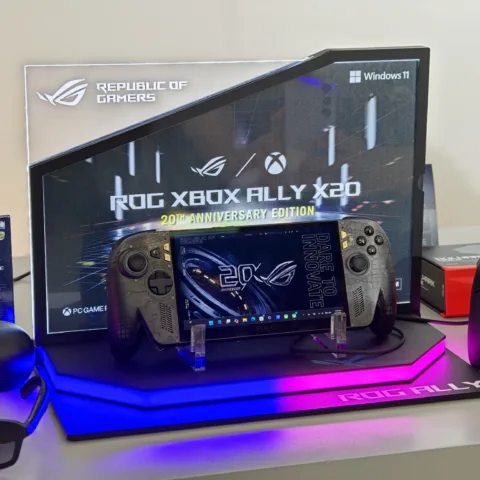
ASUS ROG XBOX Ally X20 Edisi Spesial 20 Tahun, Hadirkan TMR Joystick Anti-Drift dan Baterai 80Wh
ASUS Republic of Gamers (ROG) resmi memperkenalkan ROG XBOX Ally X20, perangkat handheld gaming PC terbaru yang dirancang untuk memainkan berbagai judul

Cara Download Video TikTok dengan Mudah Lewat Browser
TikTok menjadi salah satu platform yang banyak digunakan untuk menemukan video pendek, mulai dari tutorial, tips teknologi, resep, hingga konten hiburan. Tidak
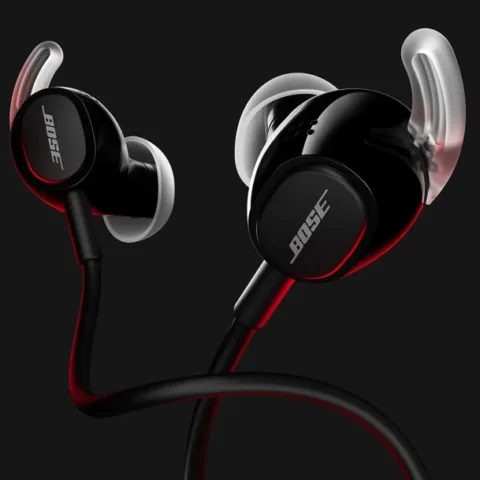
Ludes Terjual di Pasar Global, Bose Noise Cancelling Wired Earbuds Siap Dijual di Indonesia 2 November 2026
PT Prima Audio Indonesia selaku distributor tunggal produk Bose di Tanah Air resmi mengumumkan rencana peluncuran Bose Noise Cancelling Wired Earbuds pada

Cara Membuat Nickname Game yang Unik dan Keren dengan Bantuan AI
Pernah menghabiskan waktu lebih lama untuk memilih nickname daripada membuat karakter game? Kalau iya, Anda tidak sendirian. Memilih nama untuk akun game